Why Biochar Deserves a Place in Every Carbon Removal Portfolio

Anwita
Mar 11, 2026
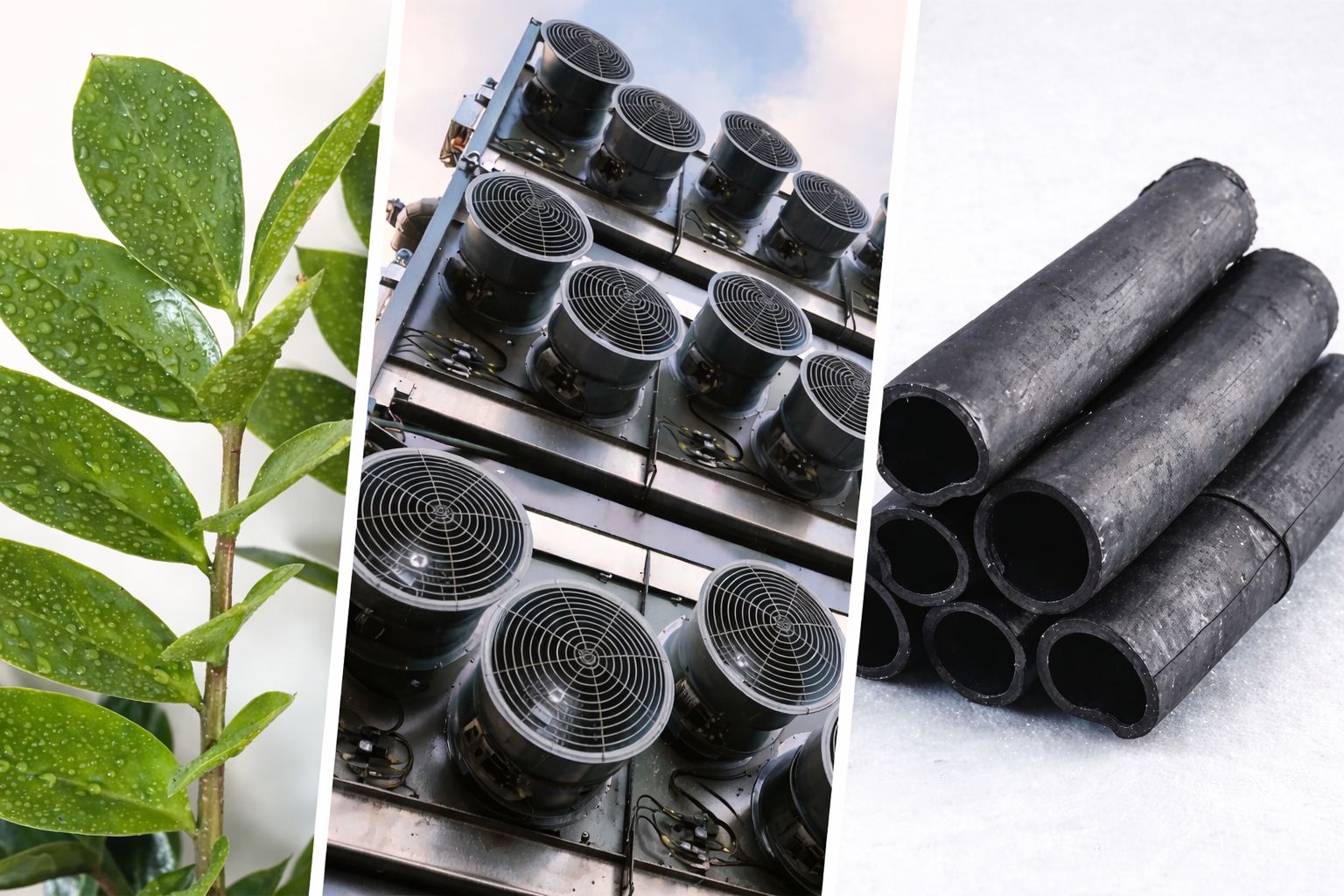
As the carbon removal industry matures, one idea is becoming increasingly clear. There will not be a single technology that solves the climate problem.
Instead, the future of carbon removal will almost certainly be built around diversified portfolios. Climate mitigation strategies will likely rely on an array of complementary CDR approaches, each with different trade-offs in cost, durability, scalability, and environmental/social impacts.
Much like financial investments, carbon removal strategies benefit from spreading risk across different approaches. Some technologies offer extremely high durability but remain expensive and infrastructure intensive. Others are closer to nature and provide important ecological benefits, yet face challenges related to monitoring, permanence, or scale. The emerging consensus is that no single pathway optimises for durability, cost, scalability, and speed at the same time. A well designed carbon removal portfolio therefore needs to balance several factors like durability, scalability, cost, deployment speed and environmental & social co benefits.
Direct air capture and mineralisation offer extremely durable storage but require significant industrial infrastructure and long development timelines. Nature based approaches support ecosystem restoration but can face uncertainty around measurement and permanence.
Biochar sits somewhere between these categories.
It offers a rare combination of durability, deployability, ecological and social value.
1. Immediate deployability
Unlike several engineered carbon removal technologies that require large industrial infrastructure, biochar systems can be deployed today using relatively simpler, rather, ready technologies.
2. Carbon durability
Biochar stores carbon in a stable form that can remain in soils for hundreds of years. While this durability may not match geological storage, it significantly exceeds short-term biological storage and offers a meaningful and scientifically supported pathway for long-term carbon sequestration. Additionally, certain biochar applications ( like infrastructure for example) are proving to be more permanent as up to a millennium.
3. Compatibility with agricultural systems
Biochar integrates naturally with existing agricultural landscapes. When applied to soil, it can improve nutrient retention, water holding capacity, and soil structure while supporting microbial activity. This allows carbon removal to occur within productive landscapes rather than competing with food systems for land use.
4. Environmental co-benefits
Biochar production prevents agricultural waste from being decomposed or burnt. This helps reduce air pollution from residue burning, improves soil health, and can reduce nutrient runoff into surrounding ecosystems.
5. Social and rural development benefits
Biochar creates opportunities for local value chains. Biomass collection, processing, and biochar production can generate employment and supplementary income streams for farmers, cooperatives, and rural communities.
Biochar is often returned to farmers at little or no cost for application in their fields. This allows farmers to directly benefit from improved soil fertility, greater water retention, and enhanced crop resilience without having to bear additional input costs. Over time, this can translate into higher productivity and reduced dependence on chemical fertilisers.
In regions with large agricultural economies, this aligns climate mitigation and rural development. Biochar projects not only remove carbon from the atmosphere but also strengthen local agricultural systems, improve soil health, and deliver tangible benefits to farming communities.
6. A bridge technology for scaling carbon removal
Perhaps most importantly, biochar offers the ability to scale carbon removal in the near term. While highly durable technologies such as direct air capture and mineralisation continue to develop infrastructure and reduce costs, biochar provides a pathway for immediate deployment.
For buyers building credible carbon removal portfolios, the conversation is shifting from choosing a single “best” technology to assembling a balanced mix of solutions that can deliver durability, scalability, and real-world impact. Biochar stands out in this landscape because it combines scientifically supported carbon permanence with immediate deployability and tangible environmental and social benefits. It allows buyers to support durable carbon removal today while also improving soils, reducing agricultural waste burning, and strengthening rural livelihoods. In a CDR ecosystem that will eventually include multiple engineered and nature-based pathways, biochar offers something quite valuable: a way to begin scaling meaningful carbon removal now, while the rest of the industry continues to mature.

